
ROB-17590

SparkFun
474-ROB-17590
ROB-17590

Fabricante:

Descripción:
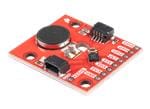
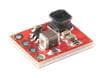
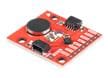
Power Management IC Development Tools The SparkFun Qwiic Haptic Driver includes an itty-bitty Linear Resonant Actuator (LRA) vibration motor and Dialog Semiconductor's DA7280 motor driver IC for applications that require haptic feedback.Control the vibration motor with the DA7280 via I2

Mouser actualmente no vende este producto en su región.

Disponibilidad

Existencias:

Atributo del producto Valor de atributo Seleccionar atributo
SparkFun Electronics
Categoría de producto: Herramientas de desarrollo de administración de IC
Restricción de entrega:
 Mouser actualmente no vende este producto en su región.
Development Kits
Motor/Motion Controller & Driver
2.8 V to 5.5 V
DA7280
Marca: SparkFun
País de ensamblaje: Not Available
País de difusión: Not Available
País de origen: US
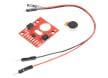
Descripción/Función: Qwiic Haptic Driver Includes an Itty-Bitty, Linear Resonant Actuator (LRA) Vibration Motor, Wires and Breakout Board for Dialog Semiconductor DA7280 Driver Motor IC for Applications that Require Hhaptic Feedback
Para utilizar con: Haptic Driver
Tipo de interfaz: I2C
Tipo de producto: Power Management IC Development Tools
Cantidad de empaque de fábrica: 1
Subcategoría: Development Tools
Productos encontrados:
Para mostrar productos similares, seleccione al menos una casilla de verificación
Seleccione al menos una de las casillas de verificación anteriores para mostrar productos similares en esta categoría.
Atributos seleccionados: 0

USHTS:
8479899595
TARIC:
8473302000
ECCN:
EAR99

Qwiic Haptic Driver - DA7280

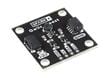
SparkFun Qwiic Haptic Driver - DA7280 includes a Linear Resonant Actuator (LRA) vibration motor and Dialog Semiconductor's DA7280 motor driver IC for applications that require haptic feedback. Control the vibration motor with the DA7280 via I2C, PWM, or a combination of three general-purpose input pins. It uses the handy Qwiic system, so no soldering is required. Simply connect it to the rest of a system. Included are 0.1"-spaced PTH pads in case a breadboard is preferred to access the driver's I2C, power, interrupt, and general-purpose input pins on the edge of the board. This board is ideal for projects that require a physical indicator whenever an event is triggered.